 Lodge preferences are saved.
Where Should You Buy a Holiday Lodge if You Want Regular Breaks?
A holiday lodge with panoramic sea views or a woodland setting might look like the perfect escape.
But, if getting there takes most of Friday evening and leaves you dreading the drive home on Sunday, how often will you actually use it?
When you’re deciding where to buy a holiday lodge, it’s easy to focus on the destination itself.
You picture morning coffee on the decking, long walks and lazy afternoons away from everyday life.
What can be harder to picture is the journey, especially when you’re fitting trips around work, school holidays, annual leave, family commitments and the rest of your routine.
If you want to make the most of lodge ownership, convenience deserves as much consideration as scenery.
A lodge that’s a little less spectacular but easy to reach could give you far more opportunities to enjoy it throughout the year.
How Far Should You Travel to Your Holiday Lodge?
There’s no single journey time that works for every buyer.
It depends on your schedule, how you prefer to spend your breaks and how much travelling you’re happy to do.
The important thing is to think about the journey you’ll make repeatedly, rather than the one you make when viewing the lodge for the first time.
A three hour drive might feel perfectly reasonable when you’re planning a week away.
If you want to arrive on Friday evening and leave on Sunday afternoon, though, that’s six hours of travelling for a short break.
Add traffic, stopping for petrol and the possibility of delays, and you could spend a significant part of your weekend on the road.
By comparison, a holiday lodge for sale within an hour or two of home could make spontaneous visits much easier.
You might decide to head there after work, stay for one night or take advantage of a free weekend without feeling that you need to make the trip worthwhile by staying for several days.
Choosing a location based on how often you could visit, rather than how often you imagine visiting, can make a big difference to your lodge ownership experience.
Where to Buy a Holiday Lodge Based on How You’ll Use It
The best location for a holiday lodge depends on what you want it to add to your life.
Someone who works full-time and wants regular weekend breaks has different priorities from a family planning a fortnight away each summer.
If You Want Frequent Weekend Breaks
For regular Friday to Sunday visits, prioritise somewhere within a comfortable journey of home.
You don’t necessarily need a famous holiday destination or a long list of attractions nearby.
A peaceful park with good walking routes, a pleasant village or somewhere you can simply unwind might be enough.
Think about what you would genuinely do during a typical two night stay.
If your ideal weekend involves a walk, a pub lunch and an evening relaxing in your lodge, you might not need a location that takes half a day to reach.
This is also where a less obvious destination can make sense.
A lodge in a quieter part of the countryside might provide the break you want without the additional travel associated with a more distant coastal hotspot.
If You Mainly Visit During School Holidays
Families who use their lodge for longer stays have more flexibility over distance.
If you typically spend a week or two at a time in your holiday home, travelling further may be worthwhile, particularly if the destination offers activities that everyone enjoys.
Lodges for sale in Devon and Cornwall appeal to buyers who want beaches, seaside towns and opportunities to explore.
Other families might prefer a countryside setting with cycling, walking and outdoor activities nearby.
However, think beyond the summer holidays.
Would you still enjoy visiting during a wet half-term or a chilly Easter break?
Consider the park’s facilities, nearby attractions and the atmosphere outside holiday peak season, as well as the activities that first attracted you to the area.
If You’re Planning Longer Breaks in Retirement
If you expect to have more flexibility over when you travel, a more distant lodge could be a sensible choice.
Being able to stay for a week or longer means you can spread the journey across a more substantial break.
You might prioritise scenery, local communities, access to nature or somewhere with plenty to explore over several visits.
For example, a lodge in the Lake District could appeal if you enjoy walking, wildlife and exploring different parts of the surrounding area.
But, don’t assume that having more free time automatically makes a long journey convenient.
Consider how you expect to travel in the years ahead, whether you would feel comfortable making the journey regularly and how easy it is to reach shops and other amenities when needed.
Don’t Choose a Location Based on the View Alone
Scenery matters, but it shouldn’t be the only factor in your decision.
The location surrounding your lodge will influence what your time there looks like, from the activities available to the atmosphere you experience when you arrive.
Consider what you want your breaks to involve.
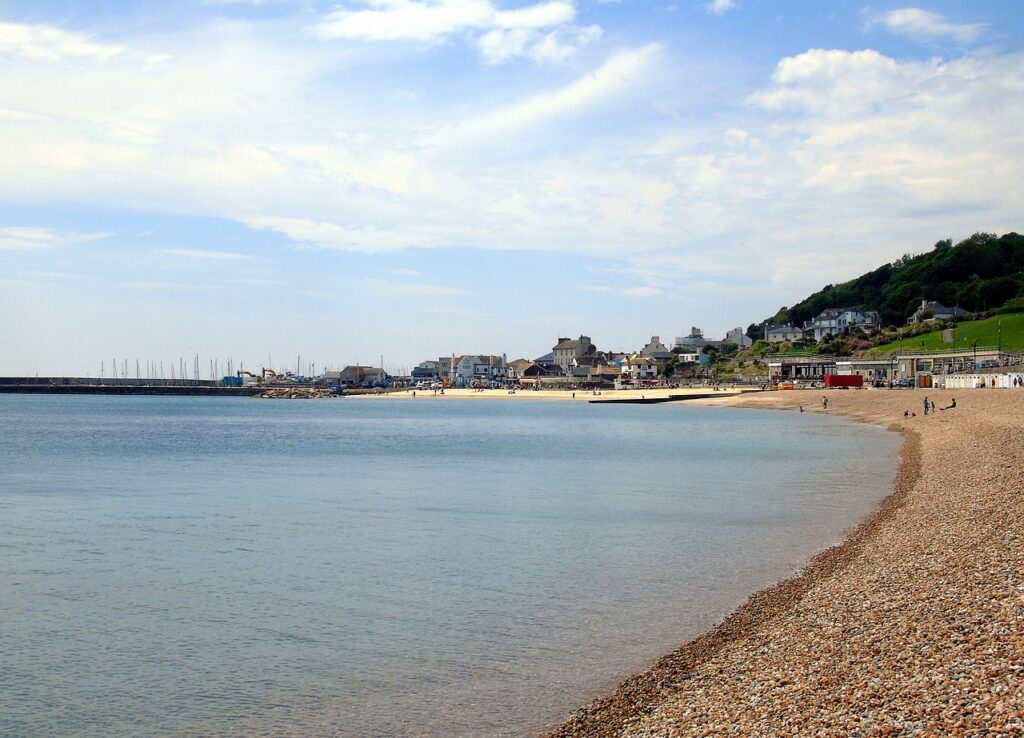
- Coastal locations could suit you if you enjoy beaches, seaside walks, waterside views and exploring local towns.
- Countryside and woodland settings may appeal if you want quieter surroundings, walking routes and a slower pace.
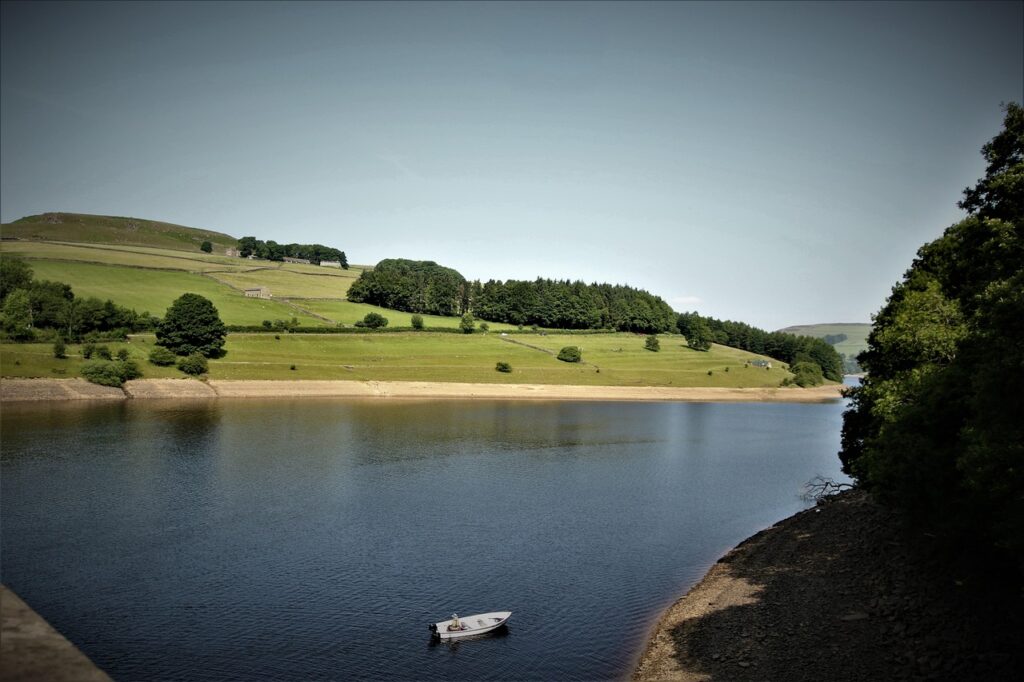
- Lakeside destinations can be attractive if you enjoy waterside scenery, outdoor activities and relaxing in nature.
- Locations near towns and villages offer the possibility of combining time at your lodge with restaurants, shops, local events and other amenities.
These categories aren’t mutually exclusive.
A park might offer a peaceful rural setting, while still being close to a lively town or popular attraction.
It’s also worth visiting your preferred location outside the busiest holiday period, as a destination can feel very different in November compared with August.
The Cost of Getting There Adds Up
The purchase price is only part of the financial picture when buying a holiday lodge.
Annual site fees, maintenance, insurance and other ownership expenses all need to be considered.
You also need to factor in travel time.
Imagine two lodges that appeal to you equally.
One is an hour from home, whilst the other is three hours away.
The more distant lodge may have a better view or a more attractive purchase price, but every visit involves more time and potentially more money spent on fuel, public transport, food and overnight stops along the way.
If you plan to visit regularly, those costs can accumulate over a year.
You could estimate your likely travel costs by working out:
- How many return journeys you expect to make annually.
- The approximate cost of each journey, including fuel or fares.
- Whether you’ll need overnight accommodation when travelling to or from the lodge.
- How much extra you might spend during the journey itself.
Then compare that figure with the overall cost of owning a lodge in each location.
It won’t tell you everything about which option is best, but it will give you a more realistic basis for comparing the two.
The Best Holiday Lodge Location Is One You’ll Keep Returning To
It’s easy to fall for a lodge because of its views, its interiors or the promise of escaping somewhere completely different.
But, lodge ownership is about more than the first visit.
It’s about all the ordinary weekends, spontaneous breaks and longer stays that follow.
For some buyers, that will mean choosing a lodge in a stunning but distant location.
For others, a quieter park closer to home will make it easier to get away whenever the opportunity arises.
Before you buy, ask yourself one simple question – will I realistically make this journey as often as I want to use the lodge?
If the answer is yes, you’ve found a location worth exploring further.
If you’re already thinking of reasons why the journey might put you off, it might be worth looking closer to home.