 Lodge preferences are saved.
12 Month Holiday Parks UK: What Happens During the Winter?
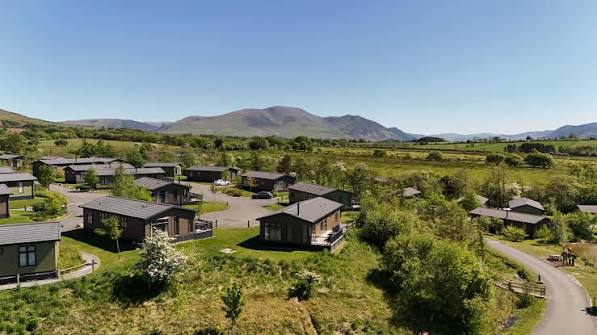
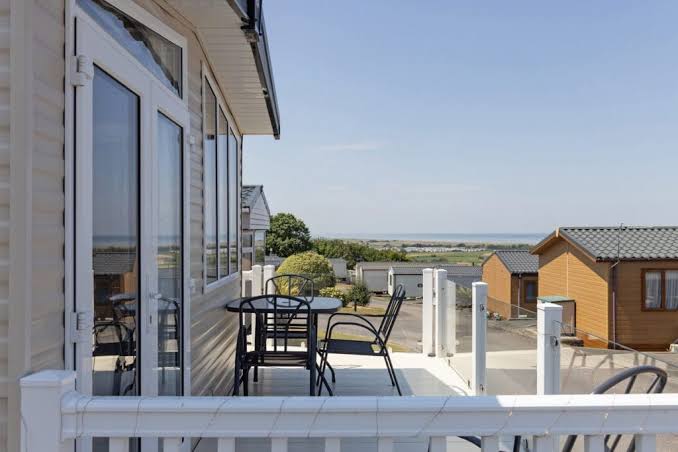
When you’re looking to buy a holiday lodge for sale, it’s easy to picture yourself enjoying sunny afternoons on the decking, exploring nearby beaches or spending long weekends surrounded by countryside.
But, what happens when summer disappears and the colder months arrive?
For anyone considering 12 month holiday parks in the UK, this is an important question.
A park that stays open throughout the year offers the opportunity to enjoy your holiday home beyond the traditional summer season, but winter brings a few different considerations.
Facilities might operate differently, the weather can affect access and your lodge will need a little extra attention when temperatures drop.
The good news is that winter doesn’t have to mean putting your holiday home plans on hold.
In fact, for many owners, the quieter months are part of the appeal of lodge ownership.

Do Holiday Parks Stay Open During Winter?
No, not all holiday parks operate throughout the year.
Many have a seasonal opening period, meaning owners must leave their holiday homes for several weeks or months when the park closes.
A 12 month holiday park is different, because it allows owners to visit during the winter as well as spring, summer and autumn.
This can make a real difference to how you use your lodge.
Rather than planning every visit around a relatively short summer season, you have more flexibility to escape for a few days whenever you fancy a change of scenery.
However, it’s important to note that being open for 12 months doesn’t necessarily mean every part of the park operates in exactly the same way throughout the year.
Some facilities may have reduced opening hours, whilst others might close temporarily for maintenance.
Before buying, ask your chosen park for its winter operating arrangements.
Find out whether the full site remains accessible, which facilities are available and whether there are any restrictions on visiting during particularly cold weather.
Will You Still Be Able to Access Your Lodge in Winter?
Having access throughout the year is one of the main reasons people look for 12 month holiday parks in the UK.
However, winter weather can sometimes make getting there a little more challenging.
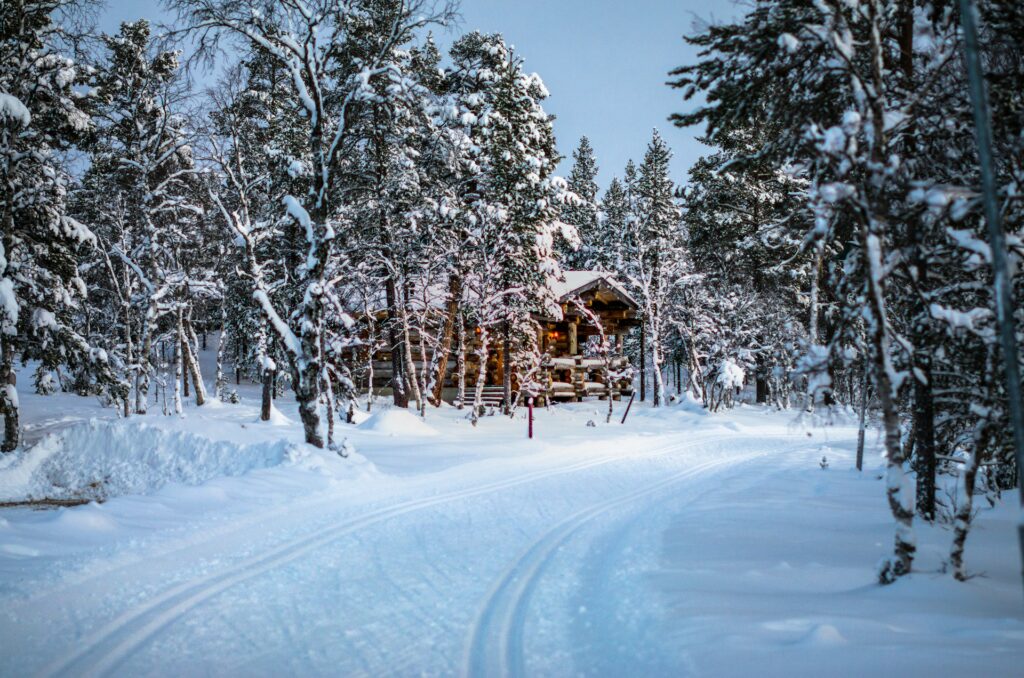
Heavy rain, icy roads and occasional snow can all affect travel, especially if your chosen park is in a rural or coastal location.
Before buying, think about how easy the park will be to reach during winter.
- Are the main roads well maintained, or will you need to travel along smaller country lanes?
- Are the park’s internal roads suitable for vehicles during wet or icy conditions?
- Is there convenient parking close to your lodge?
- Are walkways maintained and reasonably accessible during colder weather?
- Does the park have procedures in place for severe weather?
It’s also worth asking whether any areas of the park are restricted during particularly poor weather.
A holiday park might technically remain open, but that doesn’t mean every road or outdoor facility will always be accessible.
Understanding the arrangements beforehand will help you know what to expect.
Are Winter Breaks on a 12 Month Holiday Park Worth It?
Yes, having a lodge to stay in during the winter is worth it, and it can offer a very different experience from a summer visit.
One of the nicest things about having your own holiday lodge is being able to enjoy the same destination at different times of the year.
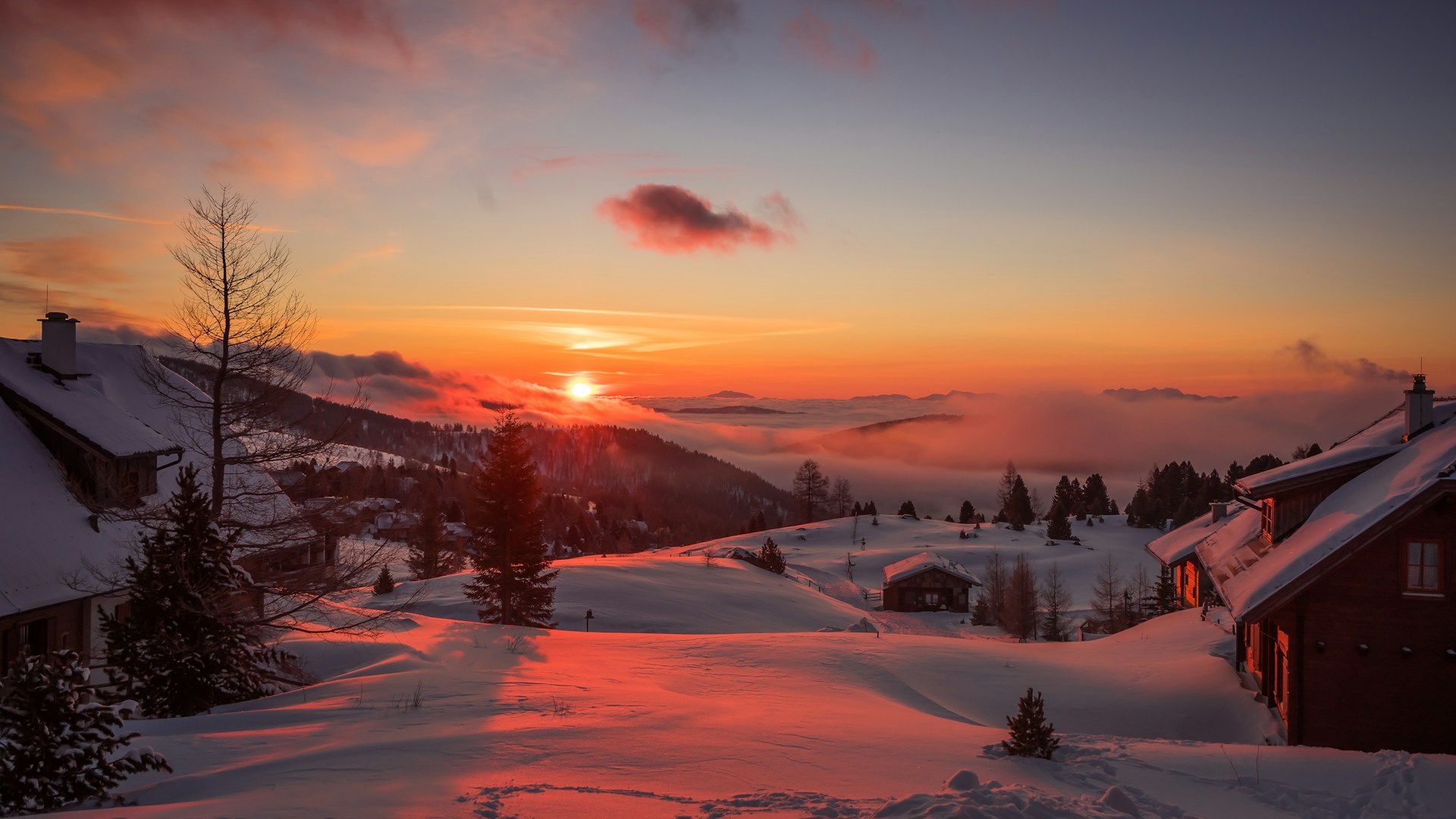
A coastal park that feels lively during the summer can become a peaceful lodge retreat in January.
Countryside locations take on a different character as the leaves fall, the mornings become misty and the evenings draw in.
There are plenty of reasons to enjoy a winter visit:
- Popular destinations can feel much less busy outside peak season.
- Winter walks, wildlife spotting and exploring local towns offer a change from traditional summer days out.
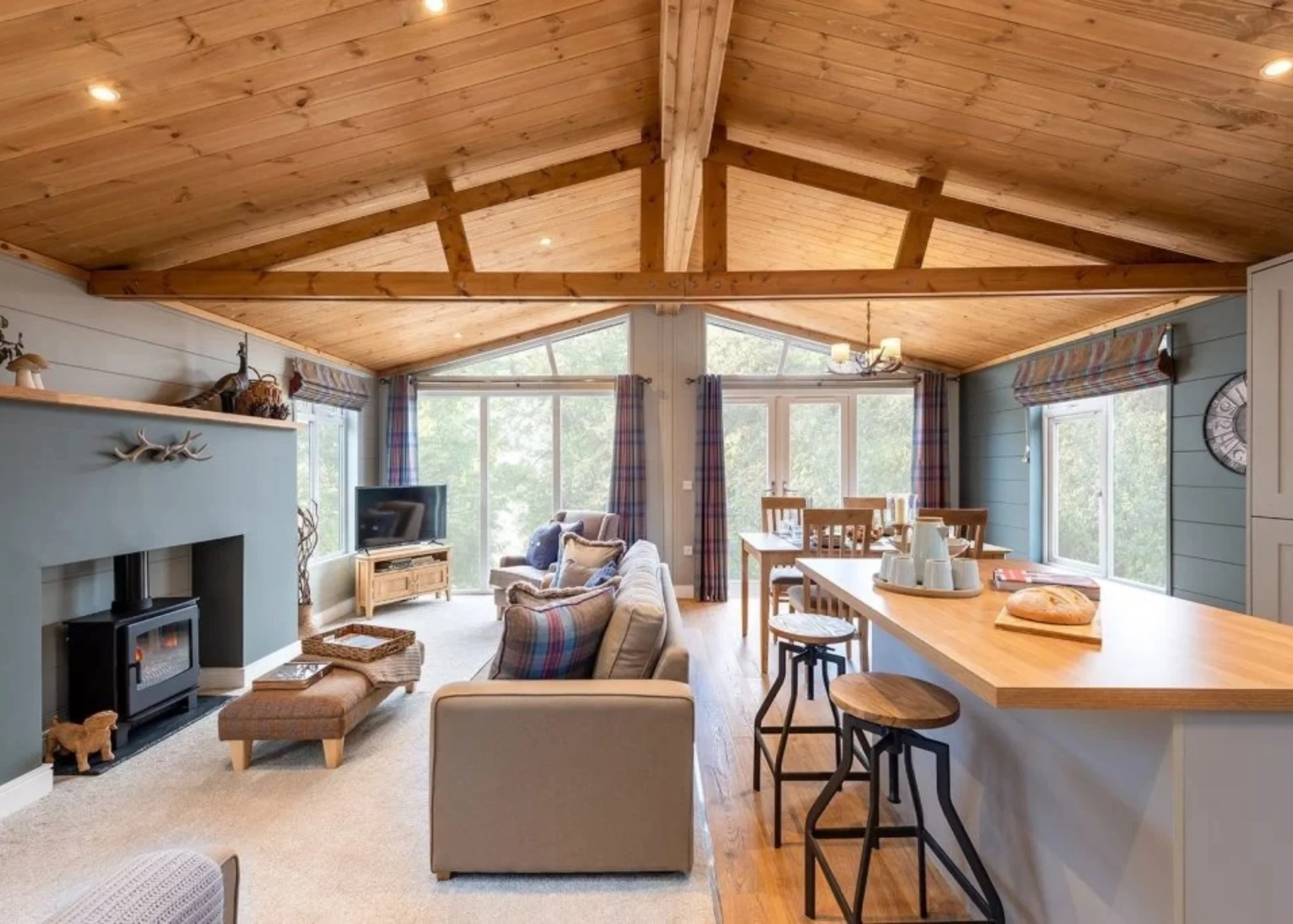
- Your lodge provides somewhere comfortable to relax after spending time outdoors.
- If you fancy a change of scenery, you don’t necessarily have to wait until the following summer.
- Visiting throughout the year lets you experience your favourite destination in different seasons.
Of course, you’ll need to plan around the weather and check which local attractions and businesses remain open.
But, if you enjoy getting away from everyday routines, winter can be just as rewarding as summer.
What Should You Ask Before Buying a Lodge On a 12 Month Holiday Park?
What Are the Exact Opening Dates? – Confirm that the park is genuinely open for all 12 months and check whether there are any planned closures.
Which Facilities Remain Available in Winter? – Ask about restaurants, swimming pools, entertainment, shops and other shared amenities.
Is the Lodge Suitable for Winter Use? – Check its insulation, heating system, glazing and any additional winter specifications.
What Winter Maintenance is Carried Out? – Find out how the park manages drainage, pathways, shared buildings and outdoor areas.
How Easy is Access During Poor Weather? – Find out how roads, parking and pathways are managed during periods of frost, snow or heavy rain.
What Do the Ownership Agreement and Park Rules Say? – Read the documentation carefully so you understand your permitted usage, responsibilities and any restrictions.
We’d also recommend visiting your preferred park outside the summer season if possible.
A winter viewing can give you a much better idea of the atmosphere, available facilities and general condition of the site when the weather is less predictable.
Finding the Right 12 Month Holiday Park for Your Lifestyle
Choosing between seasonal and year-round lodge ownership ultimately comes down to how you want to use your holiday home.
If you’re happy with a few summer visits each year, a park with a shorter opening season might suit you perfectly.
But, if you like the idea of escaping for an autumn weekend, enjoying a winter break or making the most of a sunny spring afternoon, a 12 month park offers greater flexibility.
The important thing is to look beyond the opening dates.
Consider the facilities, location and the specification of the lodge itself.
These details can make a real difference to your experience as an owner.